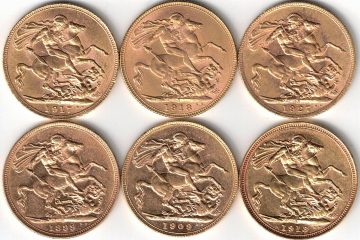
Quick summary
- Fractional coins such as 1/10 ounce Gold Eagles let beginners start with less money, though they cost more per ounce than a full-ounce coin.
- Widely recognized government-minted coins like the American Gold Eagle and Canadian Maple Leaf are the easiest to resell.
- Major bullion coins usually carry 3% to 7% markups over spot, so compare total cost, including shipping, at two or three reputable dealers.
- Private-mint rounds and collectible coins carry lower liquidity and are poor fits for a first gold purchase.
- Verify a coin against the mint’s specifications when it arrives, then store it carefully and keep your receipt.
Gold coins come in dozens of sizes, designs and price points, and a first-time buyer can overspend quickly on the wrong ones. The five ideas below keep the decision simple: start small, buy something dealers everywhere recognize, know the price math before you shop, and verify what arrives before it goes into storage. None of this requires becoming a precious metals expert.
Idea One: Start With a Single Tenth-Ounce Coin Instead of a Full Ounce
The most common misconception among first-time gold buyers is that a purchase has to be a full ounce. It does not. Major mints strike gold coins in fractional sizes, and the American Gold Eagle, for example, is produced in 1/2, 1/4 and 1/10 ounce weights. Fractional products go smaller still, down to 1/20 ounce coins and bars in 1, 5 and 10 gram sizes.
A tenth-ounce coin lets you learn how the market works with a modest amount of money: how quotes move with the gold price, what a dealer’s buyback process looks like, how the coin feels in hand and how to store it. The goal is not to buy a large amount of gold on day one. The goal is to get started thoughtfully.
One trade-off to expect: fractional coins usually cost more per ounce of gold than a one-ounce coin, because minting, packaging and shipping costs get spread over less metal. Treat that extra cost as the price of learning with less money at risk. Once you are comfortable, you can move up in size.
Idea Two: Stick to Well-Known Bullion Coin Designs That Resell Easily
Liquidity describes how fast a coin can be turned back into cash without giving up much of its value. The big bullion names trade so heavily that nearly any precious metals dealer in the United States will buy them back, often the day you call. Obscure products can take more effort to move, and lesser-known pieces sometimes sell at a discount because whoever buys them has to confirm what they actually hold.
A handful of government-minted coins dominate the market:
| Coin | Purity | Notes |
|---|---|---|
| American Gold Eagle | 22k (91.67%) | One troy ounce of pure gold with silver and copper added for durability; the U.S. government guarantees weight, content and purity; struck since 1986 |
| American Gold Buffalo | 24k (99.99%) | The U.S. Mint’s first 24k legal-tender gold coin, released in 2006 |
| Canadian Gold Maple Leaf | 24k (99.99%) | Widely recognized in the United States and abroad |
| Krugerrand, Britannia, Philharmonic | Varies by coin | Long-established issues from South Africa, Britain and Austria that dealers know on sight |
Note that a 22k coin is not a compromise. Every one-ounce Gold Eagle holds a full troy ounce of pure gold, and the alloy adds durability rather than reducing the gold content. Recognition works in your favor on both the buy and sell side, which is why these established designs are worth sticking with at first.
Idea Three: Set a Spot-Price Rule Before You Compare Prices
Spot refers to the going market rate for an ounce of uncoined, unset gold. No retail buyer pays spot. On top of that base price, dealers charge a markup that covers striking the coin, packaging, shipping, insurance and their own operating expenses; for the major bullion issues, expect premiums in the 3% to 7% range, shaped by which coin you pick and how large your order is.
Do the math before you shop. Subtract the current spot price from a coin’s asking price, then divide the difference by spot. A coin priced 3% over spot, for example, carries a 3% markup, and that percentage is what you can compare across dealers. Compare the total cost, meaning spot plus premium plus shipping and any fees, at two or three reputable dealers rather than comparing sticker prices that may not include the same extras.
Watch for anything that pushes you well above that pattern: special packaging, “limited edition” versions of bullion coins, or claims that a particular coin will rise faster than others. Collectibles get their prices from scarcity, condition and what collectors will pay, not from the metal inside, and they are a poor fit for a first purchase. Our buying and selling guide covers the comparison process in more depth.
Collector’s tip
Write down the current spot price and your maximum acceptable premium before you open a dealer’s website. Deciding your rule in advance is the cheapest protection against paying an inflated price in the moment.
Idea Four: Consider Fractional and Older Coins With Care
Fractional sizes are fine, as long as you price them honestly. Smaller gold pieces, including 1/20 ounce coins and gram bars, offer flexibility and can be easier to sell in part. Compare their per-ounce cost against a full ounce before deciding what that convenience is worth to you.
Older and unusual products deserve more caution. Private-mint rounds are made by private companies rather than a government mint; they often carry lower premiums but lack legal-tender status and are less liquid when you sell. Older coins with collector premiums mix metal value with rarity value, which makes pricing much harder for a beginner and creates more room for overpaying or for fakes. If something unusual catches your eye, slow down and read up on spotting counterfeits before any money changes hands.
Idea Five: Buy From Established Dealers and Verify Before You Store
Where you buy matters as much as what you buy. Government-minted coins carry a weight and purity guarantee from the issuing government, which removes most of the guesswork about what you own, but the dealer still controls what shows up at your door. An established dealer will quote prices tied to the spot price, disclose shipping and payment terms, and have a track record you can check through consumer protection resources, including the FTC, before you order.
When the coin arrives, verify it before it disappears into storage. Check the weight and diameter against the mint’s published specifications, examine the design details, and compare the packaging against official images. A ten-minute inspection right after delivery is far more useful than a discovery years later. If anything looks off, get a second opinion before treating the coin as genuine.
After the Purchase: Protect the Coin and Your Records
Two jobs come after the sale: protect the coin and keep your records.
Store gold away from humidity and handle it by the edges, the same habits that protect any coin. Storage does not need to be elaborate at first, but your setup should grow as the collection grows; our albums and supplies guide lays out sensible stages. Do not clean the coin. Cleaning can leave marks that change how a coin looks and is judged, and it adds nothing.
Keep the receipt and note what you paid, including the premium. Gold’s price fluctuates, and gold is never a guaranteed investment, so your eventual sale price can be below what you paid. A record of your actual cost, spot plus premium plus fees, is what lets you judge a future offer instead of guessing.
If you want to branch out from gold, the same checklist applies to other metals, starting with what to look for in your first silver bullion coins. New to collecting altogether? Our getting started guide covers handling and caring for a collection from the ground up.
See also How to Buy Coins Safely and Avoid Overpaying and How to Spot Counterfeit Coins.
Collector questions
How much gold should a first-time buyer get?
There is no required amount. Many beginners start with a 1/10 or 1/4 ounce coin to learn how the market works before committing more money.
What premium over spot is reasonable for a gold coin?
Major government-minted bullion coins usually carry markups of 3% to 7% over the spot price, varying with the coin and the size of your order. Fractional sizes cost more per ounce than full ounces.
Are 22k coins like the American Gold Eagle worse than 24k coins?
No. A one-ounce Gold Eagle holds a full troy ounce of pure gold, with silver and copper added for durability. Both 22k and 24k bullion coins are widely recognized and easy to resell.
What should I do if I suspect a gold coin is fake?
Do not treat it as genuine or resell it as authentic. Compare it against the mint’s published specifications and get a second opinion from another dealer or a professional grading service.
Coin values change with demand, condition and metal prices. This guide is general information, not an appraisal or investment advice.