Quick summary
- A mint mark identifies which mint struck a coin, and different mints produced different quantities each year.
- Mint mark positions moved as designs were revised, so always check a reference photo for the exact date and denomination.
- Designer initials, damage, and weak strikes are not mint marks, and confusing them leads to false alarms.
- A mint mark is a sorting tool, not a value stamp; scarcity comes from how many were made and how many survive.
- Confirm any reading with a published reference or an experienced dealer before assuming a coin is valuable.
A mint mark is one of the smallest features on a coin and one of the most consequential. A single letter can split one design into two coins with very different mintages and very different price tags, and that gap between a tiny mark and a big consequence is where beginners get tripped up. The mark can be hard to find, hard to read, and easy to misinterpret even in plain sight. Here are the mistakes beginners make most often and how to avoid each one.
What a Mint Mark Actually Tells You
At its simplest, a mint mark identifies the facility that struck a coin. Each mint produced a different number of coins each year, so certain date and mint mark combinations turned out scarcer than others. Two coins that look nearly identical can sit a thousand dollars apart in price because one mint struck far fewer of them.
The idea of marking a coin with its origin is old, and the original purpose was personal. On English coins struck before mechanized production, a privy mark identified the moneyer responsible for the batch. Since few English coins before 1649 carried dates, the marks also helped date them. Accountability was serious: if the coins were not full weight or fineness, the moneyer could be executed.
Modern marks carry no such threat, but they still do real work. They turn one design into several distinct varieties, each with its own production history.
Mistake One: Looking in the Wrong Place Because Designs Moved
The most common beginner error is assuming the mint mark lives in one spot on every coin. It does not. Positions changed when designs were revised, and sometimes within a single series.
The silver three-cent piece, nicknamed the trime, ran from 1851 to 1873, and only one coin in the whole series carried a mint mark: the 1851-O from the now-defunct New Orleans Mint. That O sits on the reverse, to the right of the C ornament. Anyone hunting for it elsewhere will come up empty.
The Morgan dollar series spans five mints over its run: Philadelphia from 1878 to 1921, Carson City from 1878 to 1893, San Francisco from 1878 to 1921, New Orleans from 1879 to 1904, and Denver in 1921 only. Working through a series like that without a reference photo for each date is a recipe for misreads.
What to do instead: before you squint at a coin, pull up a reference image of the exact date, denomination, and mint mark you are checking. Note the precise position, look there first, and widen your search only after that.
Mistake Two: Confusing Mint Marks With Designer Initials and Damage
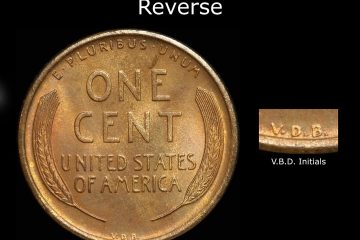
Letters on a coin are not all mint marks, and mixing them up causes false excitement. Designer initials are part of the artwork itself. On 1909 cents, every mint began production with VDB initials on the lower reverse. The decision to remove them came shortly after production started, so the VDB versions bring higher prices simply because fewer exist.
Damage confuses things in the other direction. A gouge next to the date can look like a letter. A spot of corrosion can mimic a small O. Sort what you see into three buckets: intended design features, mint marks, and post-mint damage. Our guide to error coins explained covers how to tell a genuine striking variety from ordinary damage, a skill that applies directly to mint mark reading.
What to do instead: check a reference for the date and design. If the letter you see is not in a documented position, or if it has ragged, displaced metal around it, suspect damage rather than a discovery.
Mistake Three: Assuming Every Mint Mark Means the Coin Is Rare
A mint mark is a sorting key, not a value stamp. Rarity comes from how many coins a mint produced, and those numbers swing wildly. In 1909, Philadelphia turned out more than 100 million Wheat cents while San Francisco struck roughly 2.3 million, which is why 1909-S cents bring more than comparable Philadelphia examples. The reverse is just as true: a mint-marked coin can be extremely common. More than 1 billion 1943 steel cents were minted, and circulated examples carry a very modest value no matter which facility made them.
Mint marks also carry reputations that are only averages. Morgan dollars from New Orleans and Carson City tend to attract more buyer interest than those from other mints, but an average is not a guarantee for any single date.
Varieties within a single date and mint mark are also easy to miss. Besides the famous VDB cents, there are two more 1909 varieties, the S over horizontal S and the doubled die obverse, and their scarcity drives higher prices even though they are not well known. Morgan and Peace dollars are among the most popular series in American history and typically cost more than other series of equal rarity, while interest in buffalo nickels and Mercury dimes rises and fades over time.
What to do instead: treat the mint mark as the start of your research, not the end. Look up the mintage for that exact date and mark, then check the condition.
Mistake Four: Trusting a Worn or Filled Mint Mark Without Checking
Wear flattens the highest points of a design first, and dates and mint marks sit in recessed areas, so they often survive longer than other details. Often is not always. On a heavily circulated coin, a mint mark can wear down to a shapeless blob, and an S worn that way can look like a D or an O. A die filled with grease can produce a mark that looks weak, partial, or entirely absent.
The opposite temptation exists too: assuming a faint or missing mark means something special. Usually it means the coin was heavily used or poorly struck. If you have a worn coin and are unsure what it is, our article on what happens to worn coins includes a short checklist, starting with the date and mint mark under good light.
Collector’s tip
Use a magnifier and tilt the coin under a strong light. Angled light casts tiny shadows inside recessed letters and often reveals a mark that looks blank under flat, overhead lighting.
What to do instead: never settle for one quick look. Compare the mark’s shape, size, and position against a reference, and remember that scrubbing a worn coin will not improve it, since cleaning leaves damage collectors penalize.
How to Confirm What You’re Seeing
Once you have a tentative reading, verify it before you value it. Current editions of R. S. Yeoman’s A Guide Book of United States Coins and the Standard Catalog of World Coins from Krause Publications are stocked by many libraries and booksellers, and they can help you connect a date and mint mark to the production history behind it. For condition, the American Numismatic Association has published its official grading standards since 1977, and our guide to coin grading basics walks through how collectors describe a coin’s state.
Keep expectations realistic while you check. Collector value rests on rarity, condition, and supply and demand. Because of the enormous quantities produced since the 20th century, most circulating coins from that era hold only a modest value above face. An exact value for a promising coin requires careful physical examination by an experienced numismatist. The ANA suggests taking items to an ANA member dealer, who is bound by the organization’s code of ethics, and their website lists dealers by state.
Reading mint marks correctly is mostly about slowing down: find the right position for your date, separate letters from damage, and check the mintage before assuming anything about value. To keep building the habit, our guide to spotting silver coins in your change shows which dates and edge colors deserve a second look.
Collector questions
Where is the mint mark on a coin?
It depends on the design, and the position changed over time even for the same denomination. Check a reference photo for your specific date and mint mark rather than guessing, and use a magnifier under good light.
Does a mint mark always mean a coin is rare?
No. Mints produced very different quantities, so some mint marks are common and others are scarce. Rarity depends on how many were made, and value also depends on condition and collector demand.
Can a worn or filled mint mark be mistaken for another mint?
Yes. Heavy wear, a grease-filled die, or a weak strike can blur or fill in a letter so it looks like a different mark or disappears entirely. Compare the shape against a reference before drawing any conclusion.
Are designer initials the same as a mint mark?
No. Designer initials are part of the design itself. On 1909 cents, for example, the VDB initials appeared at the bottom of the reverse before being removed, and those initials are not a mint mark.
Coin values change with demand, condition and metal prices. This guide is general information, not an appraisal or investment advice.