Quick summary
- Worn coins and bills stay legal tender no matter how old they are, so you can always spend them or deposit them at a bank.
- Federal Reserve machines check every deposited note for authenticity and fitness, and more than 70 percent of the print order simply replaces worn notes pulled from circulation.
- Mutilated notes can be redeemed for free through the Bureau of Engraving and Printing, which handles more than 22,000 requests a year.
- Worn coins with silver content, errors, or scarce dates can be worth keeping even in poor condition.
- Cleaning a worn coin never helps and usually lowers whatever value it has.
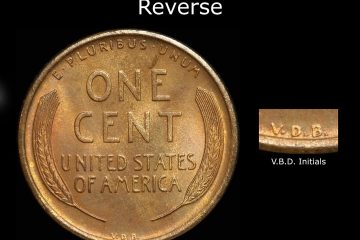
The date is worn nearly smooth, the rim is soft, and the whole coin looks like it spent decades rattling around in cash drawers. Coins like this turn up in pocket change, in inherited jars, and in bank rolls, and many collectors wonder what would happen if they simply spent them. The answer runs through bank vaults, Federal Reserve processing machines, and sometimes a shredder or furnace. This guide explains what to do with a worn find, and the journey it takes if you let it go.
What to Do the Moment You Find a Worn Coin
A worn coin asks for a few minutes of attention before it goes back into circulation. Work through this short list:
- Do not clean it. Scrubbing, polishing, or dipping leaves scratches and altered surfaces that collectors penalize, and the damage cannot be undone.
- Check the date and mintmark under good light. Even partial dates can identify a scarcer issue, and a magnifier helps more than you would expect.
- Look at the edge. A solid edge instead of reeding, or an unusual color, can signal silver or an error worth a closer look.
- Weigh your options. You can keep it, spend it, deposit it, or get an expert opinion before deciding.
One reassurance applies no matter what you choose: it is still money. Under U.S. government policy, every design of U.S. currency counts as legal tender no matter when it was made, and that policy reaches back to the earliest Federal Reserve notes from 1914. A beat-up coin and a crisp one spend exactly the same.
A Coin’s Life From Mint to Pocket
New currency starts with government production and ends up in your wallet through a long distribution chain. Paper notes are printed at Bureau of Engraving and Printing facilities, where producing a single sheet takes several days and passes through presses using different printing techniques. A quality control system accepts or rejects each sheet in about 0.3 seconds. From there, notes travel to 28 Federal Reserve bank cash offices, which provide cash services to more than 8,400 banks, credit unions, and savings institutions across the country.
The scale is enormous. There is more than $2.2 trillion worth of Federal Reserve notes in circulation, and as much as one-half of that value is estimated to be circulating abroad. Coins follow their own route from the Mint through banks and cash registers, but the broad picture is the same: pieces enter circulation, get handed back and forth for years, and only leave the system when someone along the way pulls them out or a machine rejects them.
How Coins Wear Down, and What Wears Out Fastest
Wear is just friction repeated millions of times. Every pocket, purse, vending machine, and cash drawer transfer shaves away a microscopic amount of metal, first softening the highest points of the design, then flattening fine details like hair strands, leaf veins, and letter serifs. Dates and mintmarks sit in the lowest parts of a design, which is why they are often the last features to go and why an old coin can look perfectly shaped but blank.
Paper notes wear out too, and their lifespans are tracked closely. Currency paper is 75 percent cotton and 25 percent linen, which makes it far tougher than ordinary paper, but the low denominations take the worst beating because they change hands most often. The $10 note has the shortest estimated life at 4.5 years, while a $100 note can last about 15 years. There is no age limit on a bill, and a note in good shape can circulate for many years. Beaten-up notes can also float around for a long time, because banks sometimes hold excess cash to avoid transport costs before it ever reaches the Fed for sorting.
How the Federal Reserve Sorts and Removes Unfit Currency
Worn currency only leaves circulation when it passes through a Federal Reserve processing machine, and the Fed gets that chance when banks deposit more cash than they need. Every note received is sorted, analyzed, and bundled through machines at the Fed’s 28 cash processing locations. The machines verify that each note is genuine and fit to recirculate. Notes suspected of being counterfeit are sent to the Secret Service.
Notes that fail the fitness check are called unfit, meaning they do not meet the Fed’s quality criteria for recirculation. They are destroyed, usually by shredding followed by an incinerator, and in some cases turned into compost. This constant replacement is a bigger part of currency production than most people realize: more than 70 percent of the notes in a typical print order are replacements for unfit notes removed from circulation. The calendar year 2026 print order, approved in July 2025, ranged from 3.8 billion to 5.1 billion notes, and the destruction rate of unfit notes is one of the factors used to set that number.
Mutilated vs. Unfit: The Official Definitions
The government uses distinct terms for different kinds of damage, and each has its own handling path.
| Term | What it means | Where it is handled |
|---|---|---|
| Worn or dirty | Still identifiable, just aged from circulation | Any commercial bank or credit union |
| Unfit (notes) | Fails the Federal Reserve’s quality criteria for recirculation | Destroyed by the Federal Reserve |
| Mutilated | One-half or less of the original note remains, or its condition makes its value questionable | Bureau of Engraving and Printing for notes; U.S. Mint for coins |
Mutilated currency usually results from fire, water, chemicals, explosives, animal or insect damage, or deterioration from being buried. The common thread is that the note can no longer be valued through ordinary channels.
When a Worn Coin Is Still Worth Keeping
Heavy wear removes most collector value, but not all of it. Three things can keep a worn coin interesting:
- Silver content. Coins with silver are worth at least their metal value no matter how ugly they are. Our guide to spotting silver coins in your change walks through the dates, edge colors, and other quick checks that give silver away.
- Minting errors. Off-center strikes, wrong planchets, and doubled designs can be collectible even when the coin is worn. Our guide to error coins helps separate real errors from ordinary damage.
- Scarcity. A low-mintage date or mintmark can hold value in any grade, while a common coin in the same condition is usually worth face value only.
If you enjoy this kind of searching, coin roll hunting is a low-cost way to see large quantities of coins and train your eye to notice what looks different.
Where to Get Help for Damaged Currency
Most worn currency needs no special handling. Dirty or worn notes can be exchanged at a commercial financial institution, and worn coins can simply be spent or deposited. The system only gets formal when currency is mutilated.
For mutilated notes, the Bureau of Engraving and Printing’s Mutilated Currency Division provides free redemption services to individuals, businesses, and financial institutions. The BEP receives more than 22,000 examination requests each year, with an estimated value in excess of $35 million. Redemption at full value is possible when clearly more than 50 percent of a note identifiable as U.S. currency is present along with remnants of a relevant security feature, or when 50 percent or less is present and the evidence satisfies the BEP that the missing portion was totally destroyed. The BEP’s Director has final authority over redemptions, and the Federal Reserve asks that mutilated currency not be sent to it directly. For mutilated coins, the U.S. Mint’s website explains the process.
A worn coin is a small piece of history that survived the system’s sorting machines longer than most of its siblings. If yours looks like it might be more than pocket change, compare it with our guide to error coins before you spend it, and if it is genuinely damaged rather than just old, the BEP and the Mint are the official places to turn.
Collector questions
Is a badly worn coin still spendable?
Yes. Under U.S. government policy, every design of U.S. currency still counts as legal tender no matter when it was made, and that includes Federal Reserve notes going back to 1914. Worn coins and notes can be spent or deposited at any bank.
What is the difference between worn and mutilated currency?
Worn or dirty currency can still be identified and exchanged at a regular bank. Mutilated currency has been damaged so that one-half or less of the original note remains, or its condition makes its value questionable, and it goes to the Bureau of Engraving and Printing for redemption.
Who handles mutilated coins?
The Federal Reserve’s redemption process covers paper notes. For mutilated coins, the U.S. Mint’s website explains what counts and how to submit them.
Does wear make a coin worthless to collectors?
Not always. Silver content, mint errors, and scarce dates or mintmarks can give a worn coin value above face value. Grading services and experienced collectors can tell you where your coin falls.
Coin values change with demand, condition and metal prices. This guide is general information, not an appraisal or investment advice.