Quick summary
- Age alone does not make a European coin valuable; rarity, condition and demand do, and most pre-euro currencies survive in enormous quantities.
- The euro replaced national currencies with notes and coins in January 2002, and common francs, marks and lira are worth little beyond novelty or bulk value.
- Never clean or polish old coins; cleaning lowers value and the damage cannot be undone.
- Rare euro mules, pattern coins and short-lived issues can be worth hundreds of dollars or far more, but these are exceptions, not the rule.
- Donate, exchange or keep common coins as keepsakes, and get a reputable dealer’s opinion before selling anything unusual.
Shoeboxes, biscuit tins and desk drawers full of European coins change hands constantly, usually inherited from a relative who traveled or saved whatever came home from trips abroad. If one of those boxes has landed with you, two questions matter: whether anything inside is valuable, and what to do with everything that is not. The answers are simpler than most people expect, though not always what they hope to hear.
Are Old European Coins Worth Anything?
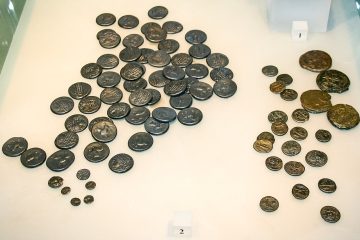
Age alone makes a coin valuable far less often than people assume. Value comes from rarity, condition and collector demand, and most old European coins fail the rarity test. When the euro replaced national currencies, huge quantities of the old money were already sitting in homes, and enormous numbers of people set the rest aside as keepsakes. Harlan Berk, president of the Professional Numismatists Guild, put it bluntly: if everyone sets coins aside because they go out of circulation, they are not worth anything. The European Central Bank estimated that the 12 countries which had adopted the euro had roughly 9 billion bank notes of their old currencies in circulation, and even after half had been exchanged, billions remained. Coins were even more plentiful, probably on the order of the nearly 52 billion euro coins the bank was minting. A piece that exists in the billions is not rare, no matter how foreign or old-fashioned it looks. A small share of European coins genuinely is sought after, and the rest of this article explains how to tell the difference.
How Do You Read the Country, Date and Denomination on a Foreign Coin?
Sort by the three things printed on most coins made in the last two centuries: the country, the date and the denomination. The country often appears in the local language, so look for Deutschland rather than Germany, or République Française rather than France. The date is usually easy to spot, though older pieces may present it in an unfamiliar style. The denomination is the unit named on the coin, such as franc, pfennig or centesimo, and it tells you what the piece was worth in daily use.
Some older coins name no country at all and rely on a portrait, a legend or a symbol that experienced collectors recognize. In that case, note the language of the lettering and the words you can read, then search for those along with the date and denomination. Keep a paper slip with each sorted pile so your notes stay with the right coins. When catalog descriptions start to look like code, World Coin Terms to Know translates the vocabulary sellers and references use.
What Are Pre-Euro Coins Like Francs, Marks and Lira Worth Now?
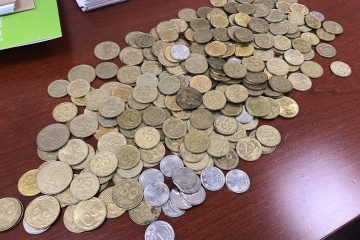
For the most part, little beyond novelty and bulk value. The euro replaced the national currencies of 11 founding eurozone members for financial transactions in 1999, physical notes and coins followed in January 2002, and conversion rates were fixed on December 31, 1998. Dealers and collectors have had decades to sort through what left circulation, and common dates of French francs, German marks, Italian lira and similar currencies survive in enormous quantities.
A few practical exceptions are worth knowing. Germany’s Bundesbank still exchanges Deutsche Mark notes for euros, and the Bank of England exchanges old sterling notes for current ones, though rates on small amounts tend to be poor. Most banks refuse coins entirely, which is one reason so many survive. The euro coins themselves can also be worth a look. Certain commemorative issues sell above face, and a few have done far better: a 2002 Greek 2 euro commemorative can bring more than 50 euros, and the 2007 Monaco 2 euro showing Grace Kelly has sold for upwards of 1,000 euros because of its low mintage.
Which European Coins Are Actually Sought After by Collectors?
The pieces that bring serious money share one of a few traits: a rare striking error, a tiny surviving population or a short production window. Error collectors chase mules, coins struck with mismatched designs. A French 20 euro cent mule with two reverse designs has sold for about $1,265, and a Vatican euro mule pairing a 20-cent design with a 50-cent design has brought roughly $2,875. Patterns, coins struck as design models but never distributed to the public, sit near the top of the market; three British examples are each valued above $1 million, including the 1937 Edward VIII 5-pound pattern at an estimated $2.28 million.
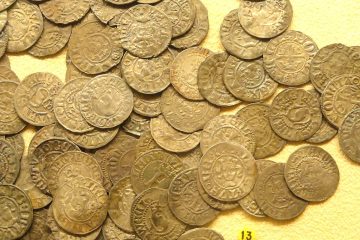
Scarcity from history matters too. The 1670 French Louis XIV 15 Sols was struck at the Paris Mint for France’s New World colonies, about 40,000 were made and most were later melted, and a specimen has sold for around $132,000. A gold 100 pesetas specimen from 1871, struck during the brief reign of Spain’s King Amadeo I, has brought about $240,000. Going back much further, a French Royal d’Or of Louis IX from 1270, with only six known examples, carries an estimate near $60,000, and experts still debate some of those coins’ authenticity. Condition affects every one of these figures, so treat them as estimates for high-grade pieces rather than price tags for worn examples.
Should I Clean or Polish Them Before Checking Value?
No, and this is the mistake that does the most damage. Cleaning, polishing and scrubbing leave fine scratches that collectors and graders spot immediately, and a cleaned coin is worth less than the same coin left alone. Original surfaces, even toned or dirty ones, are what the market wants. You can sort, photograph and label your coins without altering them, and if a piece is too encrusted to read, let a dealer examine it before you try anything at home. Why You Shouldn’t Clean Your Coins explains what cleaning actually does to a coin’s surface and value.
Be careful
Never clean, polish or scrub old coins to make them look better. Cleaning almost always lowers a coin’s value, and the damage cannot be undone.
Where Can I Get an Honest Opinion on What I Have?
Start with a reputable coin dealer or a local coin club rather than anyone who cold-calls you or pressures a fast sale. A dealer who handles world coins regularly can sort a box in minutes, flag anything unusual and tell you whether the rest is bulk material. A second opinion is reasonable if someone declares a coin valuable and immediately offers to buy it; get any offer in writing and check it against another dealer. For pieces that really do appear rare, professional grading services authenticate and grade coins, which matters because even experts can disagree about authenticity. Set aside anything potentially valuable and store it by the edges over a soft surface while you decide.
What Should I Do With Common Coins Worth Only Face or Bulk Value?
Once nothing rare has turned up, several workable options remain. Keep a representative handful as a family keepsake or a history lesson; old currencies are physical reminders of a moment when twelve national currencies became obsolete. Donate the rest. Airport charity bins exist for exactly this purpose, and UNICEF’s Change for Good program, which collects spare foreign change through airline partners, has raised more than $185 million. Some exchange services accept obsolete and pre-euro coins that banks will not touch, though expect modest rates and check the terms before mailing anything. Sort by country and denomination first so any dealer or service can evaluate the box quickly. What you should not do is assume the coins will appreciate just because they are out of circulation. Scarcity drives value, and these coins are anything but scarce.
If the box does hold something genuinely interesting, How to Sell a Coin Collection, Including Inherited Coins walks through the selling process step by step. And if sorting it sparks an interest in the hobby itself, A Timeline for Building a World Coin Collection shows how to build one on purpose instead of by accident.
Collector questions
Are old francs and Deutschmarks still exchangeable?
Germany’s Bundesbank still exchanges Deutsche Mark notes, and the Bank of England exchanges old sterling notes for current ones. Most banks refuse coins entirely, and rates on small amounts tend to be poor.
Which euro coins are worth checking?
Some commemorative 2 euro coins sell above face value. A 2002 Greek commemorative can bring more than 50 euros, and the 2007 Monaco 2 euro showing Grace Kelly has sold for upwards of 1,000 euros because of its low mintage.
Should I clean coins before showing them to a dealer?
No. Cleaning and polishing leave scratches that lower value, and the damage cannot be undone. Handle coins by the edges and let a dealer assess any surface problems.
What makes a European coin genuinely valuable?
Rarity, condition and demand. Mules with mismatched designs, pattern coins never released to the public and issues from short production windows are the pieces collectors chase.
Coin values change with demand, condition and metal prices. This guide is general information, not an appraisal or investment advice.