Quick summary
- Start with cheap mixed world lots to practice identification and handling before spending real money.
- Pick one country or era early, and decide whether to collect by type, by date set or by theme.
- Spend on reference books before coins; learning a series well is what makes good purchases possible.
- World coin prices from US dealers tend to run lower than comparable US coins because fewer collectors compete for them.
- By year two, choose to specialize deeper, branch out to a related area, or trade duplicates to fund better pieces.
World coins cover everything struck outside the United States since roughly 1500, which means more than 500 years of designs, metals and mints to sort through. That range is the appeal and also the trap: a new collector can drift for months buying random lots without learning anything about any of them. A simple timeline keeps that from happening. Here is what to do in the first year and beyond, and what to have ready at each stage.
Month One: Start With Coins You Can Already Get Cheaply
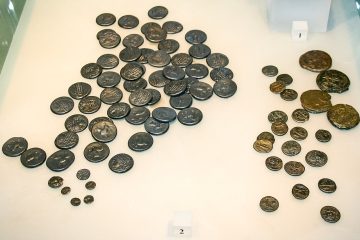
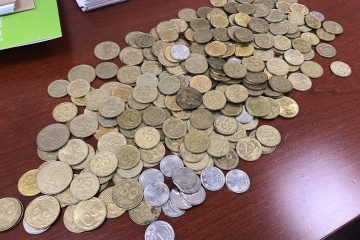
World coins are one of the few corners of the hobby where a beginner can start for almost nothing. Mixed foreign lots turn up at estate sales, flea markets and coin shows, and dealers often sell them by the pound or by the handful because sorting them takes time they do not have. Coins that friends and relatives brought home from trips abroad count too. Almost none of this material will be rare, and that is fine. The goal of the first month is not value. It is practice.
Sort what you get by country first, then by denomination, then by date where you can read the numerals. You will misidentify coins, and that is part of the process. Every mistake teaches you what to check next time: the language of the legend, the style of the portrait, the size and weight of the piece.
Keep handling rules in mind from the very first coin. Hold pieces by the edges, work over a soft surface, and never scrub a coin to make it look brighter. If you are still deciding whether world coins are the right starting point at all, How to Start a Coin Collection covers the broader options for beginners.
Months Two and Three: Pick One Country or Era and Learn Its Basics
The most important decision a new collector makes is how to collect, not what to buy. Rod Gillis, education director at the American Numismatic Association, puts it simply: deciding how to collect is what lets you collect intelligently. The two most popular approaches are by type and by set, and a third option suits many world collectors.
| Approach | What you collect |
|---|---|
| Date set | Every date and mintmark issued of a single coin design |
| Type set | One example of each different design in a series or denomination |
| Thematic set | Coins tied to one subject, such as ships or animals |
A mintmark is a small letter or symbol on a coin that identifies the mint that produced it, and date and mintmark combinations are what make a date set interesting. Whatever approach you choose, narrow your territory during these two months. The field is enormous, and the American Numismatic Association points to examples as varied as the giant copper slabs of Swedish plate money, the sharp rectangles of Edo-period Japan and the intricate portraits on older Austrian coinage. Some collectors choose a country they have visited, or coins from the year of their birth. Any of these works, as long as you pick one.
Use these months to learn the basics of your chosen area: the denominations, the date styles, the mintmarks and the words sellers use. When unfamiliar catalog numbers and grading abbreviations start appearing in listings, World Coin Terms to Know explains what each one means.
Months Four to Six: Set a Budget and Buy a Reference Book or Catalog
The oldest piece of advice in the hobby is to buy the book before the coin, and it may be the best advice you will get. One writer for the American Numismatic Association has said that if a new collector had $20 in the coin budget, it should go to a book rather than a coin. Collectors who know their series well tend to spend their money far more wisely.
Start with grading, since it is the descriptive system for how worn a coin is and the main driver of price. For United States coins, the familiar scale runs 70 points from Poor-1 to Mint State-70, first invented by Dr. William Sheldon for early copper large cents. World coin references and sellers use their own descriptive grades, but the logic is the same: less wear, higher price.
For world material specifically, a general catalog organized by century will get you started, and specialized books exist for many individual series. Be aware that some world series have never been thoroughly researched in English, and guides on more obscure coins are often untranslated. Check what references actually exist for your chosen area before you commit to it.
Set a spending limit now and write it down. Decide on a monthly amount you can sustain without strain, and count books and supplies as part of it. Two low-cost resources are worth knowing about: ANA members can borrow from the association’s lending library, which holds more than 128,000 books, auction catalogs, periodicals and videos, and the ANA runs free hour-long webinars twice a month on numismatic topics.
Collector’s tip
If your entire coin budget for a given month is small, spend it on a reference instead of a coin. One good book will save you more money over the years than any single purchase will bring.
Months Seven to Twelve: Upgrade Quality Instead of Adding Quantity
This is when world coins start rewarding patient collectors. Fewer collectors based in the United States focus on world material, so prices from US-based dealers and auction houses tend to be lower than for US coins of similar rarity. As one comparison from the American Numismatic Association puts it, the cost of a top-graded Morgan dollar can exceed what most collectors want to spend, but a top-graded world crown from the same time period is available for a fraction of the cost.
The same gap creates cherrypicking opportunities. Specialized information about world series can be hard to come by, which means the collector who learns a series well may spot a rare piece priced as a common one. That knowledge only comes from the references you bought in months four through six.
Now change your buying pattern. Instead of adding more average coins, put the same money into fewer, better examples of the pieces you actually need. It helps to review Mistakes to Avoid When Buying World Coins before you spend real money. A few specific habits matter at this stage:
- For vintage or modern coins of relatively high value, buy certified examples, which protects you on resale.
- Accept that some rare world types are difficult to find from US sellers, and that you may wait a long time for key dates if you stay with domestic dealers.
- Consider registry-style goals: fewer collectors compete for top world sets, and a collector of average means can reach the top rank in many world series without extreme spending.
Be careful
Overseas dealers and auction houses open up rarities you may never see locally, but both parties need a clear understanding of every element of the transaction before any money moves. If a seller will not answer basic questions about payment, shipping and returns, walk away.
Year Two: Decide Whether to Specialize, Branch Out or Trade
Around the one-year mark, take stock and choose a direction. Specializing means going deeper into the series you know best, which is where the research challenge and the cherrypicking rewards are largest. Branching out means adding a related country or era, such as moving from one European nation to its neighbors or from one century to the next. Trading means swapping your duplicates with other collectors or selling them to fund upgrades, which is a normal and useful part of the hobby rather than a failure of it.
Know where to turn for research and for honest dealing. The American Numismatic Society in New York holds the foremost research collection and specialized numismatic library in the United States and offers free searchable online collections. For buying and selling, the ANA maintains a searchable dealer directory you can filter by numismatic specialty and location, and members of the Professional Numismatists Guild agree to follow a demanding code of ethics. The ANA also requires its member dealers to follow its code of ethics and operates a mediation service for disputes over unsatisfactory transactions, which gives members a path to resolution when something goes wrong.
Ongoing Habits: Records, Storage and Reassessing Your Collection
Whatever direction you choose, three habits carry the collection forward. First, keep records from the start: what each coin is, what you paid, where you bought it and its catalog number. The ANA’s estate planning guide lists inventorying a collection and assessing value as core tasks, and both are far easier when the records already exist rather than being reconstructed later.
Second, protect what you own. Coins are damaged far more often by careless handling and poor storage than by anything else, so hold pieces by the edges and keep them in holders designed for long-term storage. As the collection grows in value, revisit how it is stored and whether the setup still suits it.
Third, reassess once a year. Ask whether the focus you picked still holds your interest, whether your budget still fits your finances, and whether any coins no longer belong in the collection. Changing course is not a setback; plenty of collectors adjust their areas several times. Collecting works best when enjoyment drives it, and no coin purchase should ever be treated as a guaranteed investment.
World coins reward steady, deliberate collecting more than sudden spending. To keep your growing collection safe, see How to Handle and Store Coins Without Damaging Them, and if you are still weighing world coins against other starting points, How to Start a Coin Collection lays out the choices.
Collector questions
When should a new collector stop buying mixed world coin lots?
After the first month or two, mixed lots have taught you most of what they can. Shift your budget toward references and then toward better coins in your chosen focus area.
Is it better to collect world coins by type or by set?
Both are popular and neither is wrong. A date set chases every date and mintmark of one design, a type set chases one example of each design, and a thematic set follows a subject such as ships or animals.
Do I need to buy coins from overseas dealers?
Not always, but some rare world types are difficult to find from US-based sellers, so overseas dealers and auction houses can be worth considering. Make sure every part of the transaction is clearly understood before money changes hands.
How much should I budget for world coins?
That depends entirely on your finances and interests, and there is no required amount. The key is picking a monthly figure you can sustain, and counting books and supplies as part of that budget.
Coin values change with demand, condition and metal prices. This guide is general information, not an appraisal or investment advice.