Quick summary
- Collecting by set, one coin from every year and mint, is the most popular way to collect, and circulation sets are the cheapest version of it.
- Quarters, nickels and cents cost face value, so a mistake costs pennies while you learn to spot mint marks and dates.
- Dollar coins rarely show up in change but are still current coins, so asking your bank what it can offer is a sensible step.
- Coin tubes, cardboard flips and albums are all inexpensive storage options, each with small trade-offs.
- Keep found coins as they are, since cleaning leaves scratches that lower value.
A good first coin set does not have to come from a dealer’s case. Some of the most satisfying collections start with coins worth exactly what it says on them, pulled from your own change or from a few rolls picked up at a bank. Below are five sets a beginner can build that way, along with what each one includes and why it keeps the hunt interesting.
Why Circulation Sets Are the Cheapest Way to Start
Collecting by set means choosing a single coin and saving an example from every year and every mint that produced it, and it is the most popular way people collect. The common beginner mistake is starting with a set that is too hard, such as a run of Morgan dollars, where some individual coins are long and expensive. Circulation sets solve that problem. Everything costs face value, so a duplicate or a damaged coin costs you nothing but the time it took to find it.
There is also a skills argument. Sorting through everyday coins teaches you to read dates, check mint marks and judge condition before any real money is at stake. The American Numismatic Association points out that the easiest and least expensive way to begin is simply recognizing what you already hold in your hands, and a set gives that recognition a goal.
Idea 1: A Set of Quarters From Every Active Mint
Pick a recent year, then save one quarter from each mint that struck circulation coinage that year. The mint mark, a small letter on the coin, tells you where it was made. Reading these letters correctly is a skill in itself, and our guide to mistakes to avoid when reading mint marks covers the details.
Why it works: two quarters from the same year can look identical until you compare that one letter side by side. The set is small enough to finish quickly, which matters when you are new, and it trains the exact habit of close inspection that every later set will demand.
Idea 2: Native American and Presidential Dollar Runs
Large copper-nickel dollars gave way to a smaller version in the 1970s, and those were replaced by the golden-colored dollars of this century, golden in appearance rather than content. Along the way the designs multiplied: Sacagawea, Native American and Presidential dollars took design variety to a new level.
A run of Native American dollars or Presidential dollars makes a strong set because the designs keep changing, so the album never looks repetitive. The catch is that dollars rarely appear in everyday change, even though they are still current coins. Banks are the likeliest place to look, though availability varies from branch to branch, so it is worth asking what your local bank can offer.
Idea 3: A Date Run of Jefferson Nickels
A date run simplifies set collecting: one nickel from every year, ignoring mint marks at first. It is a good early project because the goal is clear, the coins are cheap, and the set can be expanded later by adding mint mark varieties once the basic run is done.
Nickels turn up in change constantly, but older dates take patience. Buying a few rolls of nickels from a bank and working through them is the standard method, and returning the coins you do not need keeps the cost at zero beyond transportation. A partially filled folder with a few stubborn empty holes is a normal stage, not a failure.
Idea 4: Lincoln Cents by Mint Mark
The Lincoln cent is the natural training ground for set collecting. First issued in 1909 to mark the 100th anniversary of Lincoln’s birth, its portrait is the longest-running obverse design in American coinage, and the coin has carried seven different reverse designs, four of them in 2009 alone. Its composition has shifted too, from bronze to zinc-plated steel, brass and copper-plated zinc over more than a century.
For a first set, stay modern: pick the current design and save one cent from each mint striking it. The entire set costs pennies at face value, which means you can be careless, trade duplicates and start over without losing anything. What you gain is mint mark literacy on the coin you see most often.
Idea 5: State and Park Quarters by Design
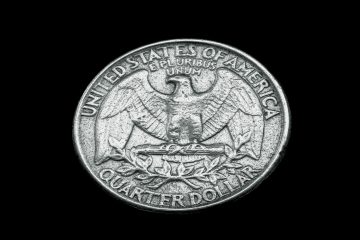
State, territorial and national park quarters turned an ordinary pocket coin into a rotating gallery of designs honoring places across the country, which makes them a favorite among change hunters. A set of one example of each design is the most social of these five ideas, because everyone in the household recognizes the coins and can join the search.
These quarters circulate in enormous quantities, so change jars, cash registers and rolls of quarters from the bank all produce results. For a fuller picture of the series, including the later design programs that followed, see our article on collecting U.S. quarters.
| Set | What to save | Where to look |
|---|---|---|
| Quarters by mint | One recent quarter from each mint | Change, bank rolls |
| Dollar runs | Native American and Presidential dollars | Bank rolls |
| Jefferson date run | One nickel per year | Change, nickel rolls |
| Lincoln cents by mint | One recent cent from each mint | Change, cent rolls |
| State and park quarters | One of each design | Change, quarter rolls |
Tips for Filling the Last Few Holes
Every circulation set stalls at the same point: a handful of dates or mint marks that never seem to appear. A few approaches help.
- Buy rolls from a bank, search them, and return the coins you do not need. Our guide to coin roll hunting walks through how the process works.
- Ask family and friends to set aside coins rather than spend them. A jar on the counter collects more than you would expect.
- Store what you find properly from the start. Coin tubes are inexpensive but coins inside can rub against each other, cardboard flips cost very little though you should be careful with the staples, and albums let you present a finished set, showing one or both sides of each coin depending on the style.
- Leave coins exactly as found. Cleaning is one of the first habits experienced collectors warn beginners about, so set aside the coins you keep in their original state.
Collector’s tip
If you have a little money in the budget beyond face value, spend it on a basic grading book before buying any nicer coin. Learning to judge condition first is the standard advice in the hobby for good reason.
Once the last hole is filled, the habit is built, and the next set usually follows on its own. If you are still finding your footing, our beginner’s guide to starting a coin collection covers the fundamentals, from deciding how to collect to handling and storing what you find.
Collector questions
What does collecting by set mean?
It means picking one coin, such as the quarter or the nickel, and saving an example from every year and every mint that struck it. It is one of the two most popular ways to collect, alongside collecting by type.
Where do I get coins for a circulation set?
Start with your own change, then ask friends and family to save interesting coins for you. For volume, many collectors exchange paper money for rolls of coins at a bank and search them.
How much should I spend on my first set?
The sets described here cost face value or close to it. If you have a small budget beyond that, a basic book on grading tends to be a better first purchase than a nicer coin.
Should I clean the coins I find?
No. Cleaning leaves fine scratches that experienced collectors and graders notice, and it lowers a coin’s value even when the coin looks brighter afterward.
Coin values change with demand, condition and metal prices. This guide is general information, not an appraisal or investment advice.